


Quanti 360
Quanti 360
Red & Near-Infrared Light Therapy To Support Daily Nervous System Recovery


Struggling to Fully Switch Off?
The Quanti 360 is designed to help your body access recovery states more consistently through gentle, repeatable light exposure.
You might benefit if you:
 Feel mentally “on” even when trying to rest
Experience light but persistent sleep disruption
Want a simple daily recovery ritual
Work long hours at screens or desks
Feel mentally “on” even when trying to rest
Experience light but persistent sleep disruption
Want a simple daily recovery ritual
Work long hours at screens or desks
Choose the Quanti 360 if:
• You want to build a consistent daily recovery habit
• You prefer shorter, more regular light sessions
• You live in a smaller space or want a compact setup
• You are new to light-based nervous system recovery
• You value simplicity and routine over intensity
Choose the Quanti 750 if:
• You want balanced coverage for both body and mind
• You prefer one structured evening recovery session
• You experience both physical tension and mental fatigue
• You want noticeable unwinding without multiple exposures
Choose the Quanti 1500 if:
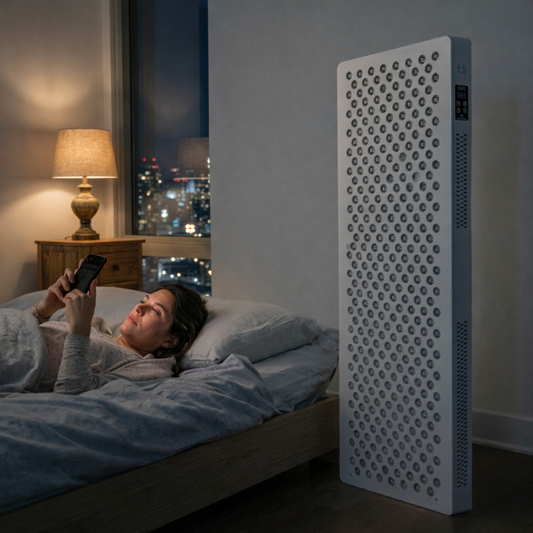
• You want maximum full-body light coverage
• You prioritise faster systemic recovery sessions
• You plan to use light therapy daily across larger areas
• You want the most powerful in-home recovery setup
The Quanti 360 is designed to support the body’s natural shift from daily stimulation into recovery through consistent, repeatable light exposure.
Modern routines often involve long hours at screens, mental load and low-level physical tension. Over time this can make it harder to fully switch off, even when the day is finished.
The Quanti 360 creates a simple environment that supports recovery states without requiring complex protocols or long sessions. Its compact format makes it easy to integrate into regular routines such as morning regulation practices, post-work decompression or evening wind-down rituals.
Rather than relying on occasional intense interventions, many people find that shorter, more frequent exposure becomes a sustainable recovery habit that fits naturally into everyday life.
Typical sessions last around 8–12 minutes per area, allowing flexible use depending on your schedule and recovery goals.
Used consistently, the panel can become a steady part of your daily reset, supporting the body’s ability to transition from mental and physical activation toward regulation and restoration.
The Quanti 360 uses a calibrated multi-spectrum combination of red and near-infrared wavelengths designed to support cellular energy processes, circulation and local tissue recovery pathways.
- Position the panel around 30–60 cm from the area you want to support.
Run a light session for approximately 8–12 minutes per area.
Use regularly throughout the week to build a consistent recovery routine.
Sessions are designed to be simple and adaptable. Many people choose to use the panel once or twice daily depending on their schedule.
Flexible daily use
The Quanti 360 can be used at different points in the day:
Morning
• Gentle regulation after waking
• Support daily energy rhythm
Midday or post-work
• Decompression after screen exposure
• Support physical tension areas
Evening wind-down
• Create a calm recovery environment
• Encourage nervous system down-shift
Consistency and ease of use are more important than session intensity.
Safety notes
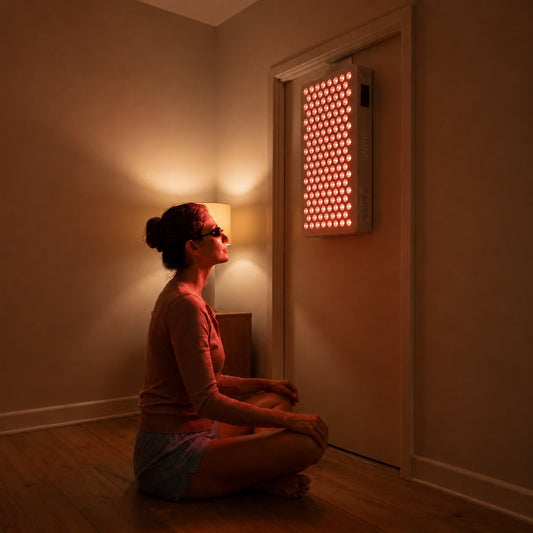
• Avoid looking directly into the LEDs
• If sensitive to brightness, close your eyes or use protective eyewear
• Keep the device stable on a flat surface during use


Free Tracked Delivery · 90-Day Risk-Free Returns · 5-Year Warranty · Designed for Daily Nervous System Recovery
When your nervous system begins to regulate, rest feels more natural
Many people do not struggle with rest itself.
They struggle with slowing down after busy days.
Modern routines can keep the body in a subtle state of activation through mental load, screen exposure and ongoing physical tension. Over time this can make it harder to feel fully settled, even when you intend to relax.
Consistent exposure to red and near-infrared light is often described as gently warming and grounding. When used regularly, it may help support the biological conditions associated with recovery and restoration.
As the body becomes less reactive and more regulated, many people find it easier to unwind, concentrate or transition into restful states.
The Quanti 360 is not designed to force relaxation.
It supports the body’s natural shift from stimulation toward recovery through simple, repeatable daily use.

How light supports the body’s shift toward recovery
Your nervous system is constantly responding to stimulation from work, screens, movement and mental load.
When this stimulation remains high for long periods, the body can find it harder to move naturally into recovery states.
Light-based recovery is being explored for how it may support the biological processes involved in regulation and restoration.
Red and near-infrared wavelengths interact with cellular energy systems and circulation pathways that influence how the body responds to physical and environmental stress.
1. Light reaches beneath the surface
Certain wavelengths are able to pass through the outer layers of the skin and reach muscle and connective tissue areas.
This allows light exposure to interact with deeper recovery processes.
2. Cellular energy processes are supported
Light has been studied for its interaction with mitochondria, the parts of cells responsible for energy production.
Supporting these processes may help the body maintain efficient repair and daily recovery rhythms.
3. Physical tension signalling may reduce
As local tension in treated areas begins to ease, the nervous system can receive fewer stress-related signals from the body.
This may help support a gradual shift toward more regulated states.
The result of consistent daily use
With regular sessions many people report:
• feeling less physically “on edge”
• easier transitions between activity and rest
• smoother evening wind-down routines
• more sustainable day-to-day recovery
Backed by emerging photobiomodulation research
Red and near-infrared light have been investigated for their potential effects on:
• mitochondrial energy metabolism
• circulation and tissue oxygenation
• inflammation signalling pathways
• autonomic nervous system regulation
• neurological recovery processes
Photobiomodulation continues to be studied in wellness, rehabilitation and performance settings as a non-invasive recovery modality.
Based on peer-reviewed scientific literature.

Who the Quanti 360 is designed for
• People who want to build a simple daily recovery habit
• Those looking for gentle, consistent nervous system support
• Individuals living in smaller spaces or wanting a compact setup
• People who prefer shorter, more flexible light sessions
• Anyone new to light-based recovery routines
It may not be the best fit if
• You want full-body coverage in one session (the Quanti 750 is better suited)
• You prioritise maximum light intensity and large treatment areas (consider the Quanti 1500)
Is it suitable to use in the evening?
Yes.
Red and near-infrared light are very different from the stimulating blue light commonly emitted by phones, tablets and bright indoor lighting.
While blue-dominant light is associated with alertness and mental activation, many people describe red light exposure as physically warming and more grounding when used in calm environments.
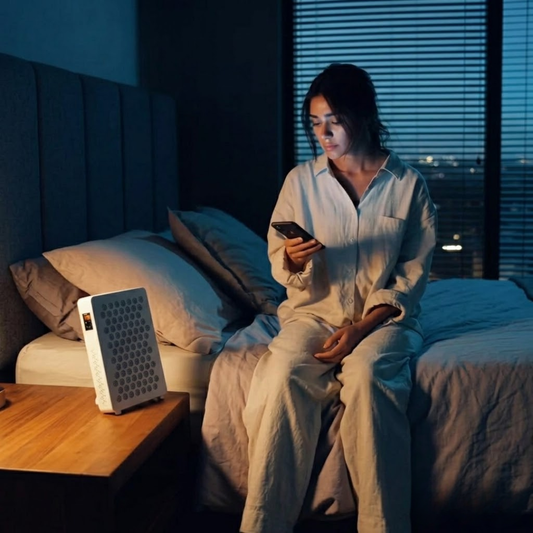
Short evening sessions are often used as part of a simple wind-down routine to help the body transition from daily activity toward rest.
Gentle evening session tips
• Keep surrounding lighting soft or dim where possible
• Sit or relax comfortably during your session
• Close your eyes if you prefer a more calming experience
• Avoid looking directly into the LEDs
• If brightness feels strong, increase your distance slightly or use protective eyewear
Sessions are designed to feel effortless and easy to repeat regularly.
Safety note
If you are pregnant, sensitive to light, or managing a medical condition, consult a qualified healthcare professional before use.
Always place the panel on a stable surface and follow included usage guidance.

What a more settled routine can feel like
You finish work and the day has been full.
Your mind is still active, but your body is ready to slow down.
Instead of reaching for another distraction, you dim the lights and turn the panel on.
A short session.
No pressure. No complicated routine.
You sit comfortably, scroll less, breathe normally and allow your shoulders to release some of the day’s tension.
When the session ends, you simply carry on with your evening.
It doesn’t force relaxation.
It helps create space for it.
Over time, it becomes a small but steady part of how your days transition into rest.
-
90-Day Risk-Free Trial
-
Free Tracked Shipping
-
5-Year Warranty
-
Dedicated Customer Support
Why the Quanti 360 fits into real routines
Recovery is not always about doing more.
Often it is about creating small, repeatable moments that help the body slow down.
The Quanti 360 is designed to make light-based recovery feel approachable and easy to maintain.
Its compact format allows you to use it more flexibly throughout the week, whether that means shorter evening sessions, quick breaks during the day or targeted support for areas that feel tense.
There is less pressure to structure long sessions or commit to complex routines.
Instead, the focus is on building a habit you can return to consistently.
Because meaningful recovery tends to come from what you actually stick with.
Simple positioning.
Short sessions.
Steady progress.
A routine that fits naturally into real life.
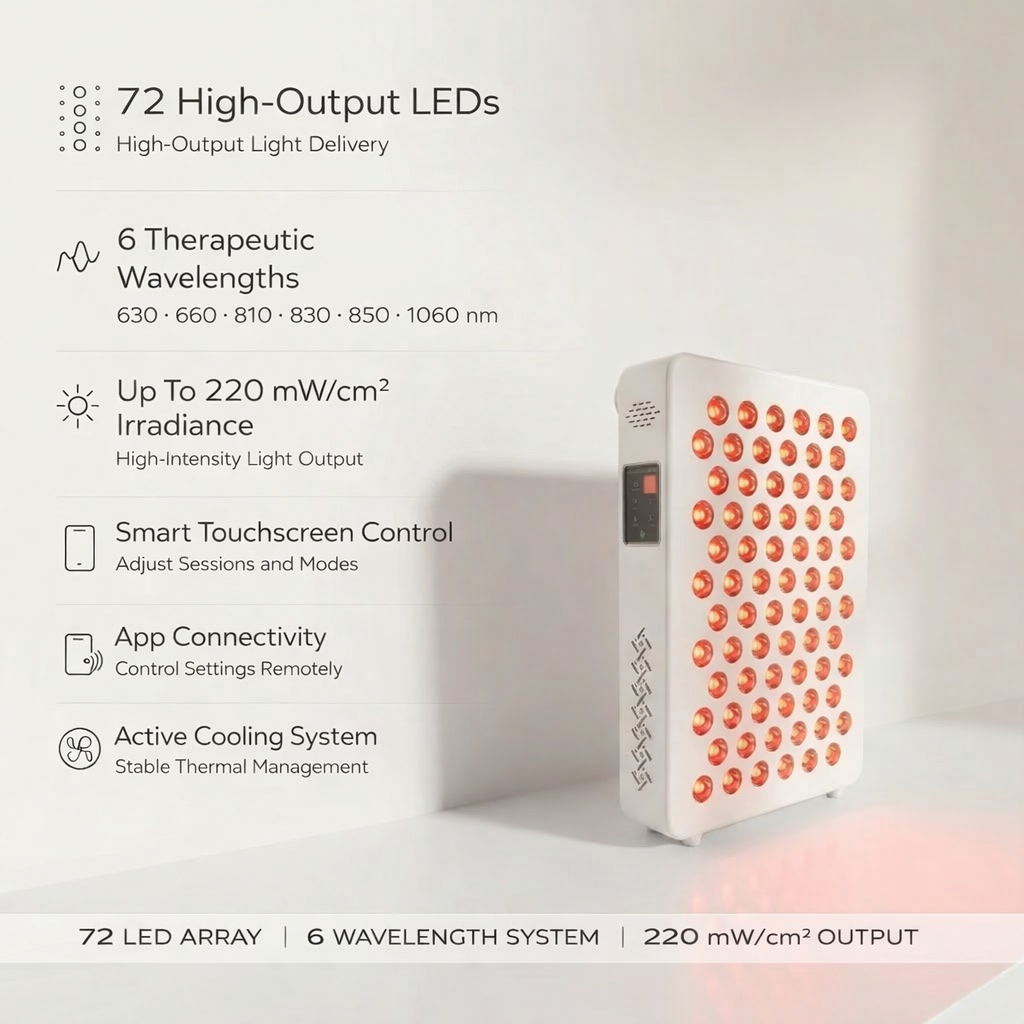
Panel Specifications
Light Technology
Multi-spectrum red and near-infrared light delivery
Therapeutic Wavelengths
630nm • 660nm • 810nm • 830nm • 850nm • 1060nm
LED System
72 dual-chip LEDs for targeted light coverage
Beam Angle
30° focused optical distribution
Irradiance Output
220 mW/cm² at close range
164 mW/cm² at 15 cm
152 mW/cm² at 23 cm
133 mW/cm² at 30 cm
Control & Session Settings
Adjustable session timer
Brightness dimming control
Preset recovery modes
Custom session configuration
App connectivity & wireless control
Build & Dimensions
Height: 350 mm
Width: 230 mm
Depth: 66 mm
Weight: 3.2 kg
Compact freestanding design
Easy to reposition between sessions
Active internal cooling system
Electrical
Power system optimised for stable home use
Voltage: 220–240V / 50Hz
Plug: Australian Type-I
LED lifespan: 50,000+ hours
Warranty: 5-year manufacturer coverage
Find the right panel for your recovery routine
-

 SAVE $250
Quanti 360
Regular price $749.00Sale price $749.00 Regular priceUnit price per$999.00SAVE $250 -

 SAVE $200
Quanti 750
Regular price $1,099.00Sale price $1,099.00 Regular priceUnit price per$1,299.00SAVE $200 -
Quanti 1500
Regular price $2,099.00Sale price $2,099.00 Regular priceUnit price per


Safety & Compliance
Built for safe home use
Every Quanti panel is built to meet recognised electrical and material safety standards, with certification and compliance documentation supporting home use.
CE Certified
Meets recognised European safety and compliance requirements for electronic devices.
RoHS Compliant
Built with compliant electronic materials in line with RoHS requirements.
IEC Safety Standards
Designed in line with recognised international electrical safety frameworks.
Global-Mark Certified
Certified by Global-Mark with applicability to Australia for electrical appliance compliance.
Suitable for home use. If you are pregnant, light-sensitive, or managing a medical condition, consult a healthcare professional before use.
Certification and compliance documentation available on request.
Honeslty i thought it would be bigger for some reason, maybe I should have went for the 750. But other than that its compact and I think it is helping me regulate my nervous system, its a tough job!
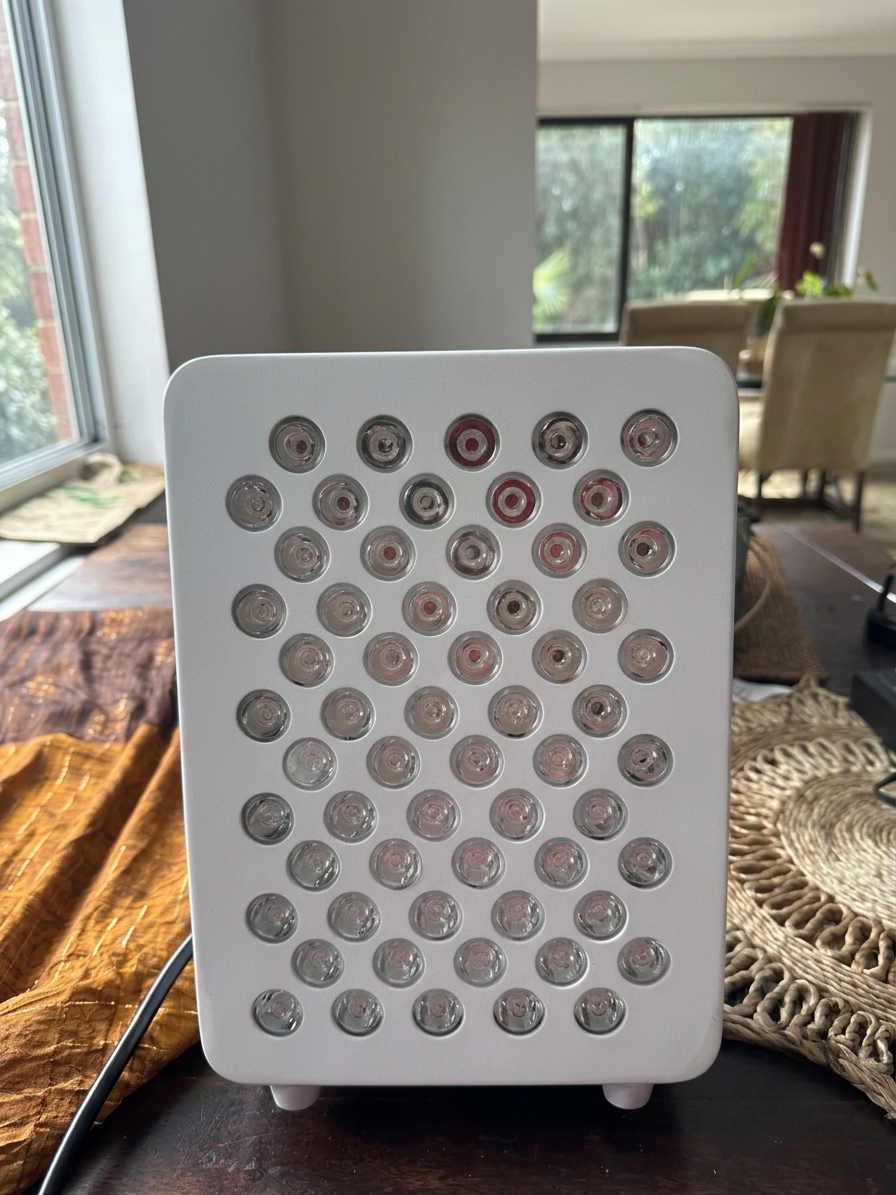
I’ve only been using it for two weeks, but I’m already feeling calmer and sleeping better. The panel was really easy to set up and is convenient to use. I especially like the touchscreen programs, and once everything is set, I can just use the remote each time. Really happy with my purchase so far. Thanks!
We have been researching different panels for a while using chat gpt and we came to the conclusion that quanti even tho relatively new has the highest quality panel and a good price! Device is great
Seems good quaity. Using it for musle aches and sleep :)
Although shipping was delayed when it came it was easy to set up and use. Helping me sleep at night
My quanti 360 has been great, its good qualty and the effects of red light are great. Services was excellent too, quanti answered all my questions!
Love it
Amazing device, when I feel ajatated I just turn on my quanti 360 and let it relax me, works a treat.
The device arrived on time with lots of communication from quanti through emails. The product is great
Common Questions
The Quanti 360 is designed for more targeted recovery sessions.
It works well for areas like the neck, shoulders, lower back, legs or joints when you want focused support rather than full-body coverage.
Many people use it as a simple daily tool to help reduce physical tension and support nervous system down-regulation after work, training or screen time.
Red and near-infrared light interact with cellular energy processes involved in repair and regulation.
When physical stress signals reduce, the nervous system can more easily shift away from high alert states.
The Quanti 360 supports the biological conditions that make it easier for the body to settle.
No.
While many people use the panel in the evening to help unwind, it can also be used earlier in the day to support muscle recovery, mobility and general physical reset.
Think of it as a recovery tool rather than a sleep product.
No.
The light does not act like a sedative.
Instead, sessions are often described as physically calming or grounding.
Over time this can make it easier for the body to transition into rest naturally.
Most people use the Quanti 360 for 10 to 15 minutes per area.
Because it is designed for targeted coverage, you can easily move the panel between different areas depending on your needs.
Consistency is more important than intensity.
Yes.
Many people use it as part of a simple daily recovery routine.
Short regular sessions tend to feel more sustainable than occasional long sessions.
Not necessarily.
Effective recovery comes from using the light at the right distance and for the right duration.
The Quanti 360 is designed to provide practical, manageable output that fits easily into real routines.
This is uncommon, but if it happens simply reduce session time, increase your distance slightly or use the panel earlier in the day.
Recovery responses vary from person to person.
Avoid looking directly into the LEDs.
Many people simply close their eyes during sessions.
If you are light-sensitive, basic protective glasses can be used for comfort.
The panel is a non-invasive recovery device designed for home use.
If you are pregnant, have a medical condition or are under clinical care, it is sensible to check with a healthcare professional before starting any new recovery modality.
Some people notice subtle physical relaxation within the first week.
More noticeable changes typically come with consistent use over several weeks, as recovery habits build.
Recovery tools work best when they become part of a routine.
If it does not feel like the right fit, Quanti offers support and guidance to help you adjust usage.
The Quanti 360 includes a 5-year manufacturer warranty and customer support to help you get the most from your device.